Forms that reach you, and the form that started it
The Forms module: single or multi-step forms, email notifications, a submissions dashboard and spam protection. First used for an Early Access form.
For most practices the website has one real job: to start a conversation. A first appointment, a question, a request for a quote. The Forms module is built around that moment.
One module, any form
Each site defines its own forms, from a short contact form to a guided request in several steps. Forms can sit inside a page, open in an overlay from a button, or be launched from the header. Multi-step forms show progress, let the visitor go back, and end with a short recap before sending. Every label, hint and success message is translatable.
Nothing gets lost
- Each submission is stored securely and tied to its own site.
- An email notification goes to the people you choose, one message per recipient, with reply-to set to the person who wrote.
- The dashboard lists every submission, with filters, a status workflow and CSV export.
- A WhatsApp channel can capture the subject first, then hand the conversation over to WhatsApp.
Quiet protection
Spam checks run without puzzles for real visitors, and the public form endpoint has abuse limits. Consent to data processing is recorded with the submission.
Where it started
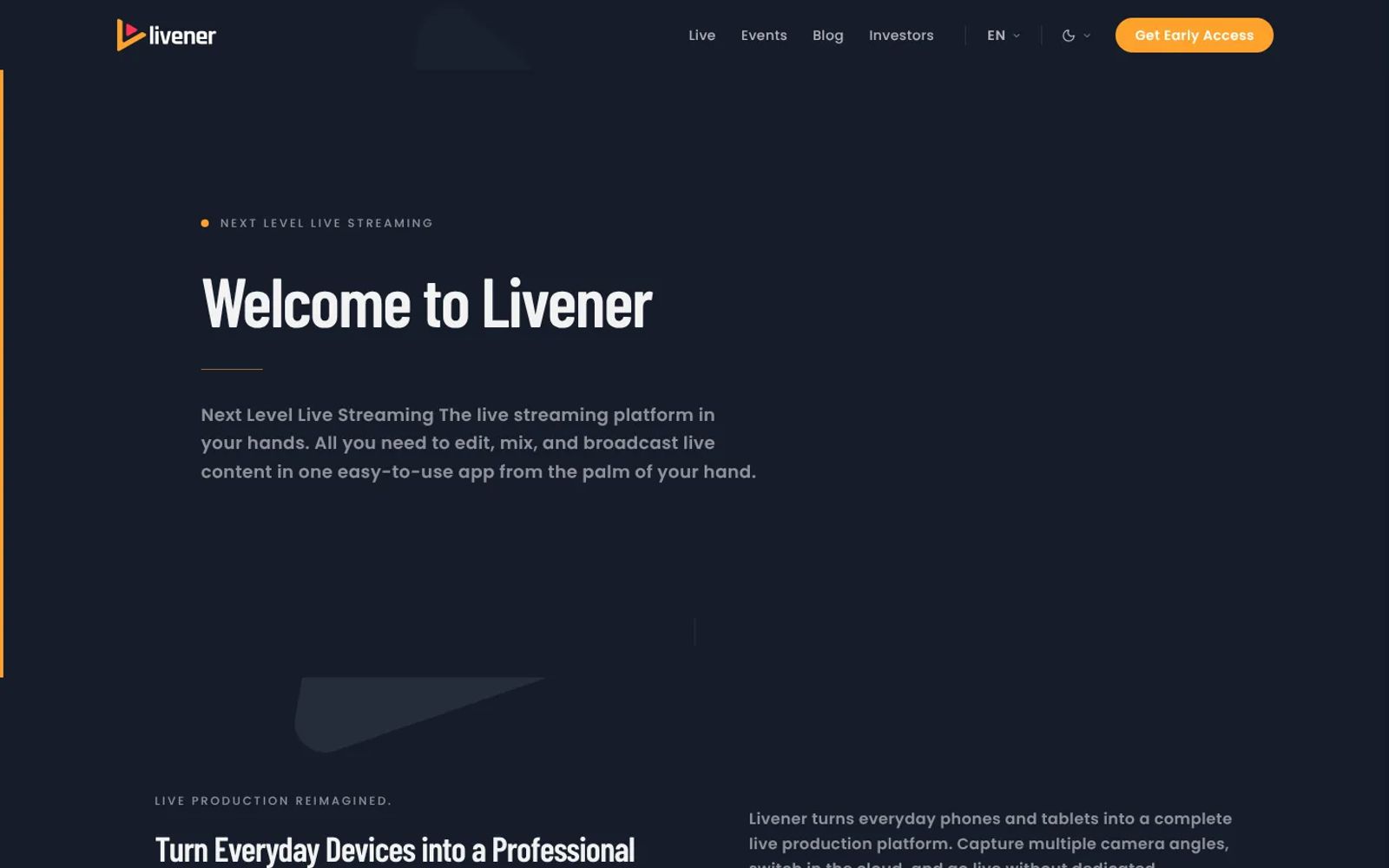
The first form to move onto the module was an Early Access request for Livener, a live-streaming platform: three steps, from contact details to streaming needs. The early access form on this site runs on the same module.
Forms also follow the site’s design system. Buttons, fields, cards and spacing use the same tokens as every other section, so a form never looks bolted on. Required fields are marked clearly, text fields can carry their own validation, and the thank-you message can greet the visitor by name.
Curious to see it from the other side? Request early access and tell us about your practice.